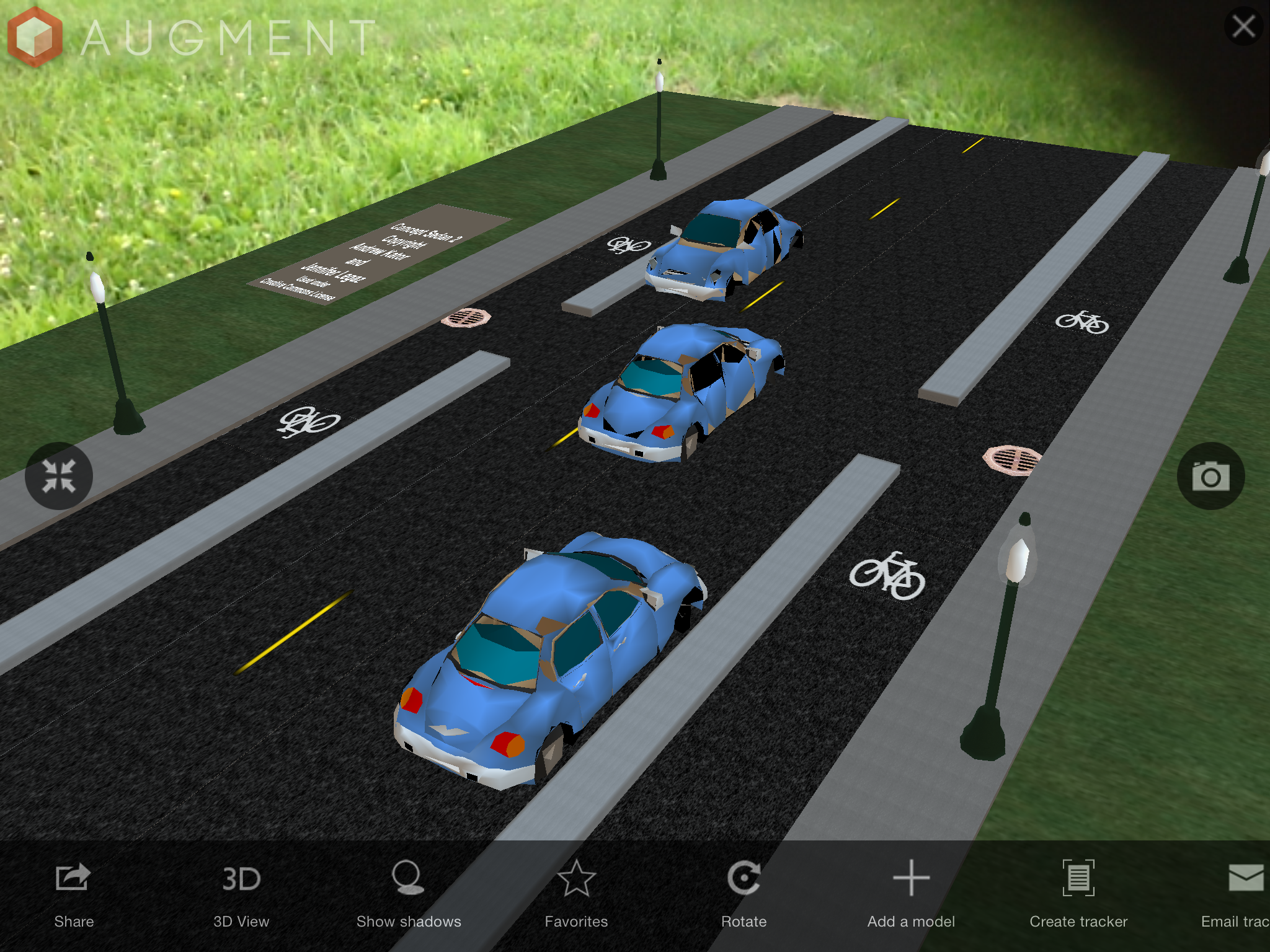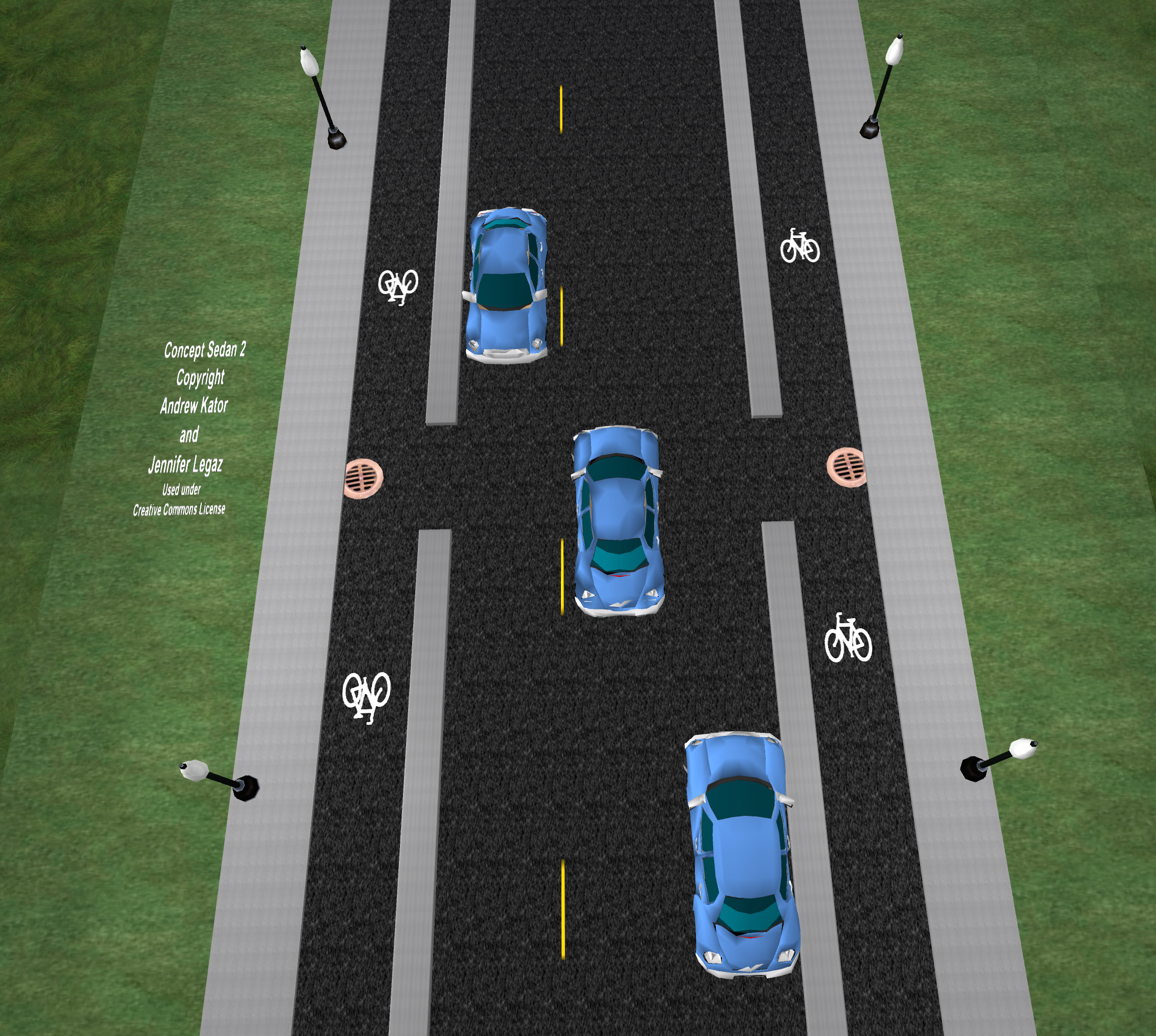
Adding Augmented Reality to Your Zoning Ordinance

Augmented reality holds promise and opportunity for the public works industry. With the development of this technology through efforts like the Smart Vidente Project and the recent release of development tools by Layar, we are moving closer to actual implementation on the job. And over the next few months, I plan to try to set up some layers for work using the Layar service. So I was discussing this with another engineer at work and trying to come up with some ideas to try out. We  thought about setting up some virtual notifications programmed to pop up when we approach certain properties in the city. These notifications could alert us to drainage issues, special structures in the area, and other information in which we would be interested. But as we imagined this future of virtual objects left waiting to be discovered, the other engineer came up with a brilliant question. He wondered if anyone could set out virtual objects like this, what would prevent the world from becoming a virtual junkyard.

DragonHe had an excellent point. Right now the technology is so new, we don’t yet have this problem. If I walk through out city today with the Layar app on my smart phone, there is a good chance I will see no virtual objects. But once the technology becomes ubiquitous, we could walk through our cities looking for something with our augmented reality app and find ourselves bombarded by virtual junk. This virtual junk would also detract from augmented reality uses for wayfinding and utility location. And what could be worse is that people could leave virtual junk on our private property. Maybe someone gets upset with someone else and decides to leave a virtual sign with some not-so-nice wording on that person’s lawn. So there will probably come a day when there will need to be some regulation defining where virtual objects can be placed. But once you start considering this and how it fits into our current system of governance and regulations, it becomes quite an intriguing discussion. Local government regulates and permits placement of objects in the right of way, so should this permitting be extended to virtual objects placed in the right of way? And who should have the authority to regulate what is placed on private property?

Developing the framework for regulating augmented reality in public and private spaces will take some thoughtful consideration and time. But setting this up now will make it that much easier when we get the first call from one of our citizens complaining because someone put a virtual, 20-foot pink dragon breathing fire on their property.

Share

Augmented Reality for Public Works

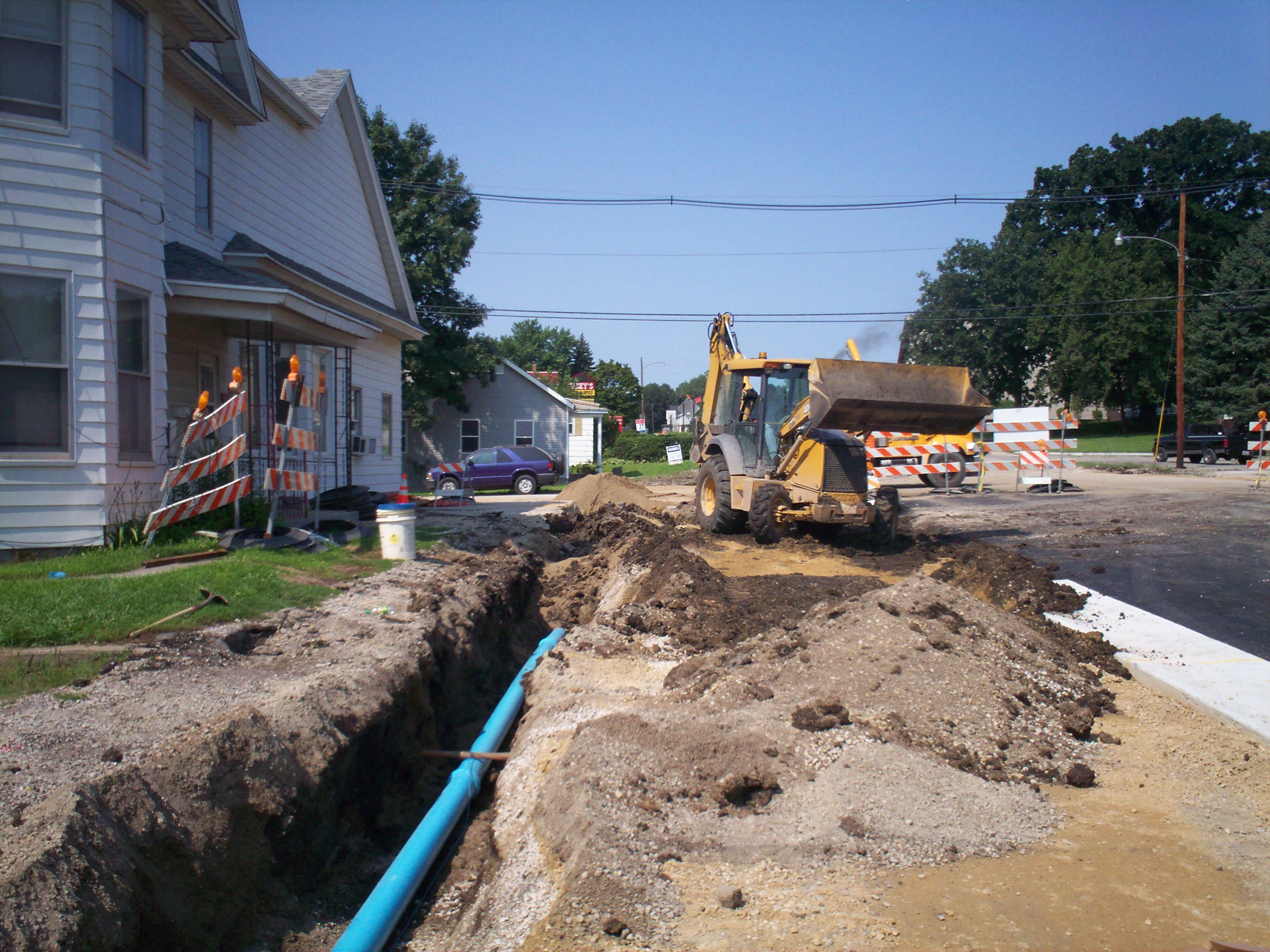
Construction siteAugmented reality (AR) has been gaining ground over the last couple years—most likely as a result of an increasing number of applications incorporating AR and an increase in the capabilities of supporting technology. But while the advances have been useful and impressive, I have not seen much related to the public works industry. This surprises me because AR could be incredibly useful and could increase efficiencies and decrease costs. So I thought I would post a few ideas of ways in which AR could be applied to the public works field with the hope that someone takes up the challenge and implements these tools:

Utility Locates:
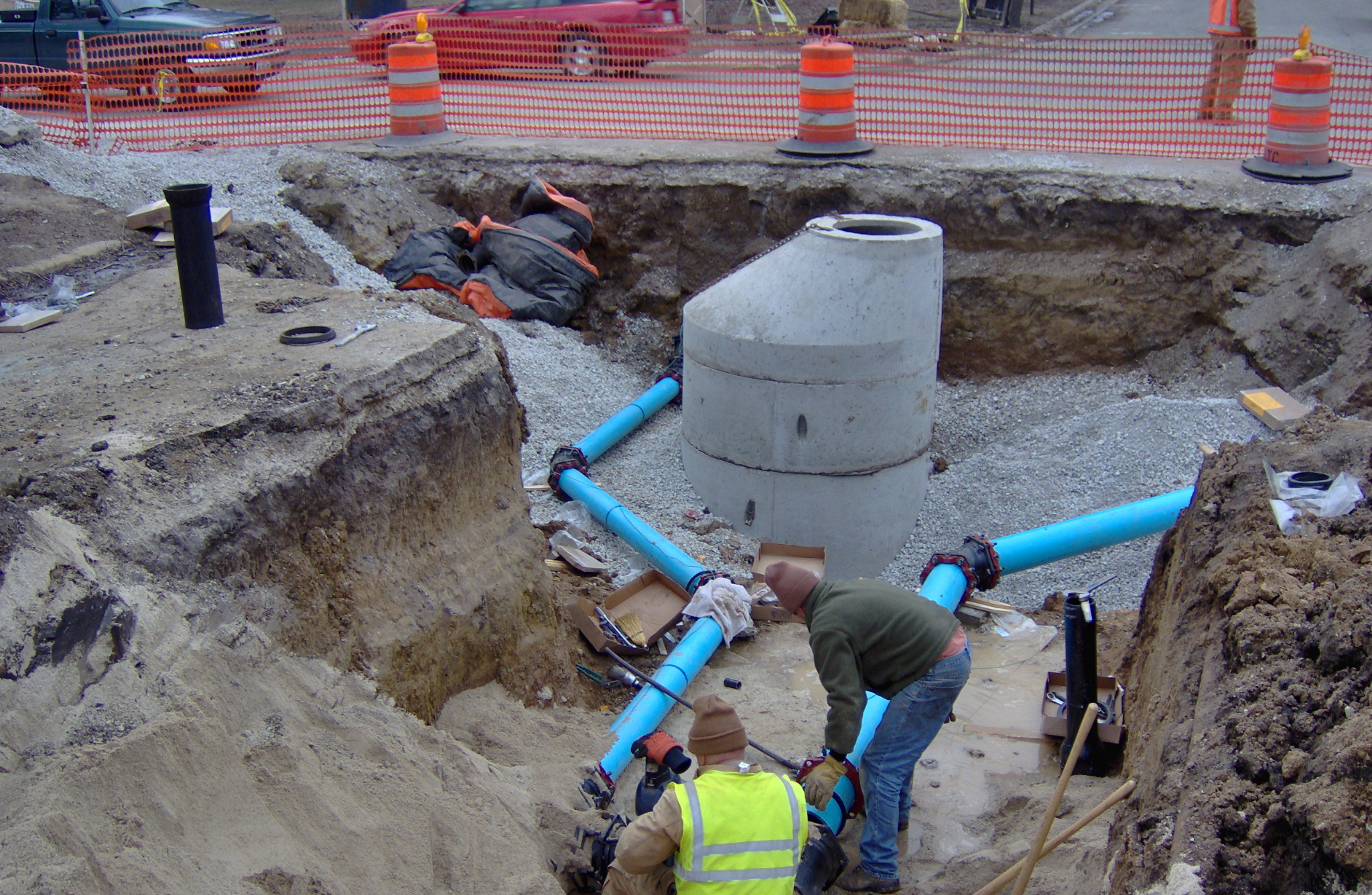
Utility locating can be a pain, but it is important to prevent damage to the utility or injury to people working near the utility. Current tools of the locating trade can include a map on a laptop or on paper, locating devices for accurately pinpointing the utility location, shovels, picks, probes, and paint or flags for marking the location in the field. The reason this task is so challenging is the need to rely on maps that many times are not accurate enough to allow the locator to just walk right up to the utility.

For example, a locator might have trouble finding a water shut off valve in someone’s yard if it is buried under snow or dirt. If there are accurate measurements to the valve, the locator uses a measuring tape and map to find the general location of the valve. And if there are not accurate measurements, which is often the case, the locator would have to randomly search the area with the locating device. Once a probable position is determined, the locator digs for the valve with a shovel. This can result in multiple holes being dug before the valve is found. If other utilities are in the area, readings can be inaccurate which makes finding the valve even harder. The whole process can be very time consuming.

Some cities have their valves in a GIS allowing the locator to walk to the approximate location with the help of a GPS device. This is very useful, but how much better and more intuitive would it be if the valve could be projected digitally onto the ground using augmented reality. The locator drives up to the site, gets out of the vehicle and puts on a headset or uses a mobile device, and all the utilities show up on the ground through the use of augmented reality.

Engineering Design:
Using this same idea, engineering design could be greatly simplified. If an engineer needs to improve a road by installing curb and gutter and a new storm sewer, maps must be collected and utilities marked in the field to designate locations of gas, electric, water, etc. Only then can the engineer determine the best place to put the curb and sewer. If all an engineer had to do was drive out to the job and use augmented reality, the best locations for the new improvements could be determined faster with more accuracy.

Engineers could also use this if a resident calls with a problem. Many times, when we respond to residents, we do not know exactly what the problem really is until we get to the site. So we might not have everything we need to determine if we can help with the problem. But if the resident had a question or problem related to a utility such as needing to tap onto our sewer or water or if they had a drainage problem and needed to tap into our storm sewer, I could not only determine right away if there was a feasible solution, but I could also show the resident by having them use the technology. Seeing the line on the ground would mean more to them than looking at a line on a map. And how much better it would be for them if we could animate the line somehow showing water flowing.

Maintenance and Construction:
Augmented reality could also be used to make sure crews are working on the right asset in the field. If we could digitally mark the manhole that needs to be fixed or the tree needing to be pruned, or the area in which I want landscaping planted, we could reduce confusion or errors in the field.

And if a contractor is installing a pipe, he could use augmented reality to see where he needs to dig. This could also assist the city in showing property owners where improvements will be made. Residents could use AR technology and actually see how the new road will look.

I could have also used AR when I was putting up the trim at my last house. This would have prevented me from drilling into a pipe or it could have helped me find the studs.

There are a lot of other uses we could figure out to help us better perform our job in public works. Hopefully this post helps generate some more ideas and maybe even challenge someone to develop an AR for public works tool.

Share

Virtual Cemeteries

Managing a public cemetery is just one of the many tasks handled by a public works department. Typically we take care of cutting grass, repairing monuments, paving/plowing roads, removing leaves, burying people, selling lots, and handling the documentation and requests for grave locations. Little has changed over the years in how these duties are administered. But now, new tools like mobile devices, virtual worlds, and augmented reality offer us the ability to enhance delivery of some of these services.

Augmented reality (AR), or overlaying a computer generated image onto the real environment, is now available with the use of a mobile device like the iPhone. So how can this be used in the cemetery?

First let’s see how the City of Manor, Texas, used AR to created a Christmas greeting with the help of Muzar.org: http://www.flickr.com/photos/cityofmanor/4203935446/

Applying this concept to cemeteries, cities could contract with organizations like muzar.org to allow people to post digital content for their loved ones grave site. This content could be images of the loved one or family or even the home in which they lived. As a genealogist, I could also see the benefit of displaying documents related to the person’s life. Perhaps eventually people would be offered the chance to save this digital information for their own family history files.

At some point perhaps AR could also allow us to input a loved ones name while standing in the cemetery and have a virtual path displayed on the ground leading us to the grave. This technology could also allow the city to arrange for unsold lots to display a certain color when a person scans the cemetery with a mobile device.

The city of Manor is also using QR codes – here is an example of their use in a city park: http://www.flickr.com/photos/cityofmanor/2780890639/. Cities could use these codes in the cemetery to convey information. The codes could be placed on or near the graves or on maps printed out from a city Website or distributed at the cemetery. Then visitors to the cemetery could access the code once they are in the cemetery. These codes could link to information posted by the family, to information held by the city about that gravesite, or even at some point to information about the person on sites like Ancestry.com.

Finally something I have not yet seen but wonder at its application is the use of virtual worlds. If a cemetery was recreated in a 3-D application such as Second Life, a person could virtually visit the cemetery. This technology also allows for people to attach information, images, and video. I also wonder if someday we will be able to link our avatar’s movements to our own. Then while standing in the real cemetery we could access the virtual cemetery on our mobile device and walk our avatar to the virtual grave while we walk to the real one. This would allow us to experience whatever was placed at the virtual grave while we are standing at the real grave.

As an add-on: @RogerSmolski passed along a link to an interesting post about the use of QR codes in cemeteries in Japan: QR Code from The Grave

Also I am trying to add at the end of each post a disclaimer indicating that the opinions expressed here are my own and are not meant in any way to reflect those of my employer.

Share

A Little Bit of GIS in My Life

So today Rick Knights, technical service associate, with WTH Engineering stopped by to continue his work on helping us implement our city geographic information system, or GIS. Rick is a certified ENP or emergency number professional who is very familiar with how the 911 system works in the states. We began discussing the many intricacies of the 911 system, how it all evolved, and then started in on GIS – where we are at and where we are going. Wow – this was one of those conversations that begins low key and ends with a major revelation.

Because I am excited about the potential of virtual worlds and augmented reality and how it all fits with the GIS component, we began going down that road. Well, while we were debating the need for accuracy in determining parcel boundary data, Rick threw out this idea: perhaps someday, we would decide to develop parcel data to the point that it did accurately reflect the actual property boundary so that this data would then serve as the established property line. As a former land surveying technician, I was not too certain of how this would be received by that industry. But then when I entered the idea of using augmented reality, Rick brought up an intriguing idea of being able to project property lines onto the actual ground using that technology. How useful that would be when determining setbacks or resolving property disputes.

From there we went to using GIS data that is officially established and maintained by utilities and government agencies and running it through an augmented reality interface to create virtual lines on the actual ground.

Well for anyone who has worked construction, you realize what this could mean. Using the proper technology, you could arrange to project utility lines on the ground – both proposed and existing. With this technology, perhaps one day, I could PROJECT MY DESIGN PLAN DRAWN IN CAD FOR A PARTICULAR AREA ON THE ACTUAL GROUND ON WHICH IT WILL BE BUILT! Then I could walk around making sure everything fit with existing grades, structures, etc. And I could better show the residents who always want to know, “how far is the road going to be widened into my yard?”

Having read about and looked into augmented reality, I cannot believe my mind had not already made this leap before! How useful that would be during the design and even the construction process. Can you imagine having the proposed sewer line projected onto the ground during construction so the backhoe operator can always see the alignment, along with all the other utility locations.

Perhaps others have already made this leap in the use of this particular technology, and I have just not yet come across it. So far everything I have seen has been about projecting a proposed building design on a lot for planning or projecting internal body systems onto a person’s outer skin. The idea of using this technology in the engineering and public works industry to virtually display designs and utilities on the ground or internal buildings systems on a wall is exciting to me because this is bringing the technology down to the level at which it becomes useful on a daily basis to city personnel.

So thanks Rick for the 911 info and help and that little extra promise that GIS can bring to my world.

Share